GTA Construction News staff writer
Hamilton City Council has approved $3.26 million for 16 projects aimed at reducing greenhouse gas emissions, expanding the urban forest and helping the community prepare for the effects of climate change.
Initiatives will also improve energy efficiency, protect parks and natural areas and strengthen Hamilton’s resilience to extreme weather, while helping manage operating costs over the long term and reduce pressure on residential taxpayers.
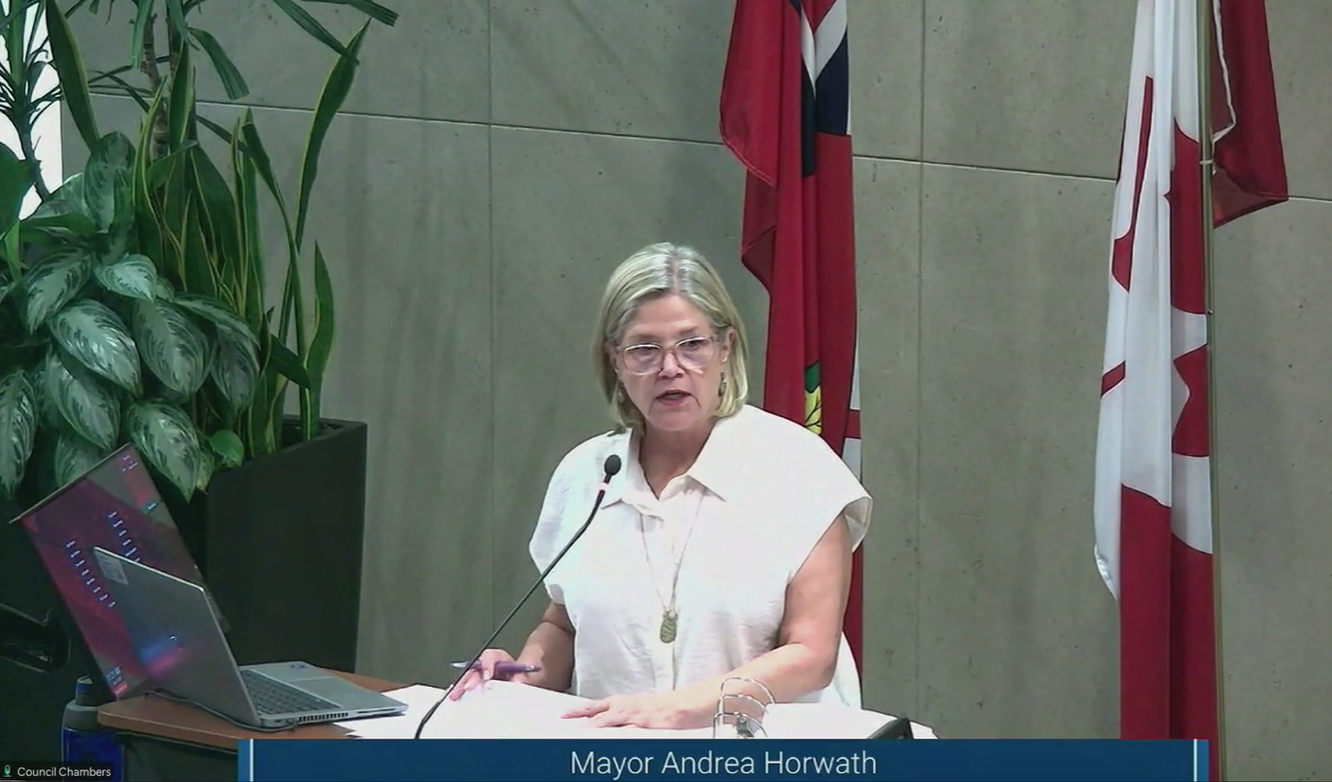
“Hamiltonians are seeing the impacts of climate change in their daily lives, from extreme heat to more frequent severe weather,” said Mayor Andrea Horwath. “By investing in projects that expand our urban forest, improve energy efficiency and protect our natural environment, we’re taking practical steps to build a healthier, more resilient city, while supporting residents today and into the future.”
One of the largest investments is $1.5 million for a Heat Pump Hot Water Tank Project with CityHousing Hamilton. The funding will replace older gas water heaters in low-rise units and a multi-level residential building with energy-efficient electric systems in social housing.
Another $400,000 will be used for retrofits through the Affordable Housing Acquisition Plan to improve the energy efficiency of affordable housing while helping preserve rental units and keep rents affordable for residents.
Also, $300,000 is included for a Bird Friendly Window Glazing Study and Implementation project that will identify municipal buildings where birds are most at risk of collisions and implement measures designed to make those buildings safer for birds.
$250,000 will support the Tree Canopy and Industry Initiative, which will increase tree planting in industrial and commercial areas and expand Hamilton’s urban forest while helping cool neighbourhoods and increase tree canopy coverage.
An Open Space Management Plan will create a framework for protecting and managing natural areas while balancing conservation with recreational use.
“Climate change requires long-term thinking, practical action and strong partnerships across the organization and community,” said Marnie Cluckie, city manager. “These projects are an investment in Hamilton’s future, helping us protect natural assets, improve energy efficiency and strengthen the infrastructure and systems our city depends on.”
Hamilton declared a climate emergency in 2019 in response to increasing local impacts from climate hazards, including heat waves, severe flooding and shoreline and escarpment erosion. The declaration led to the development of the City’s Hamilton Climate Action Strategy.
The 2026 projects were assessed by a review team of five city staff directors who sit on the Climate Change Initiatives Steering Committee and two community volunteers from the Climate Change Advisory Committee.
Applications were evaluated using a scoring system that considered alignment with the Climate Change Reserve policy and the Hamilton Climate Action Strategy, greenhouse gas reduction potential, climate resilience benefits, co-benefits and climate justice impacts, as well as alignment with priority areas.
“Hamilton took an important step in 2019 by declaring a climate emergency, and we continue to act with a clear plan to address the real impacts our community is facing,” said Lynda Lukasik, Director of Climate Change Initiatives. “With the Climate Change Reserve funding and a strong, transparent review process, we’re investing in projects that cut emissions, build resilience and deliver meaningful benefits for residents.”